Ultrasound Therapy
The best way to get a pain relief!
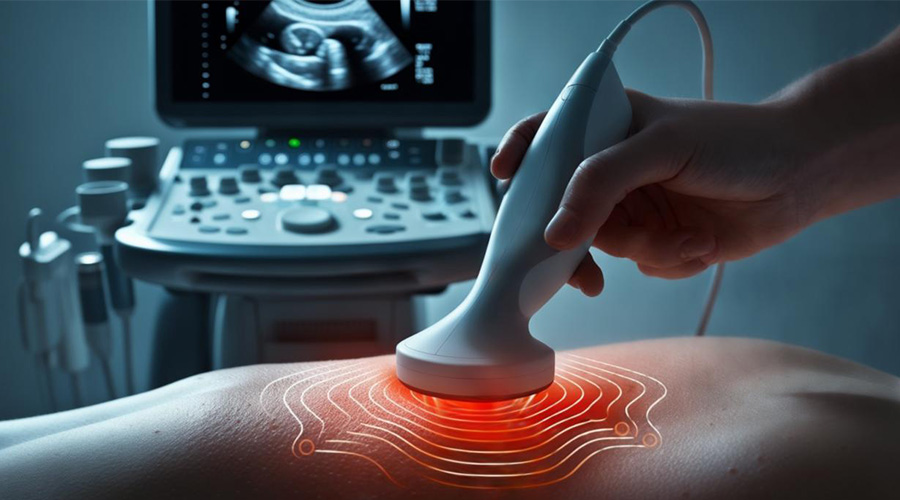
Ultrasound therapy, also known as therapeutic ultrasound, uses high-frequency sound waves to stimulate healing and reduce pain in soft tissues. The sound waves, generated by a device with a transducer, penetrate the skin and tissues, causing gentle vibrations that can increase blood flow, reduce inflammation, and promote tissue repair.
Types of ultrasound :
Thermal ultrasound : This type of ultrasound primarily uses heat to increase tissue temperature, promoting blood flow and tissue healing.
Mechanical ultrasound : This type of ultrasound utilizes mechanical vibrations to break down scar tissue and promote cell proliferation.
How it works
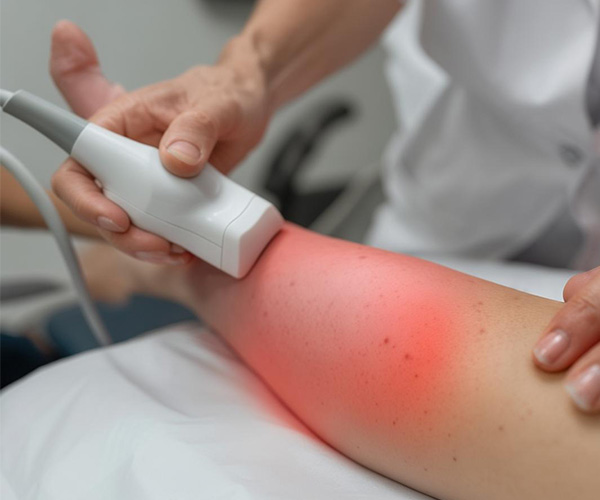
- High-frequency sound waves : The ultrasound machine emits sound waves with a frequency higher than what humans can hear (typically 1 to 3 MHz).
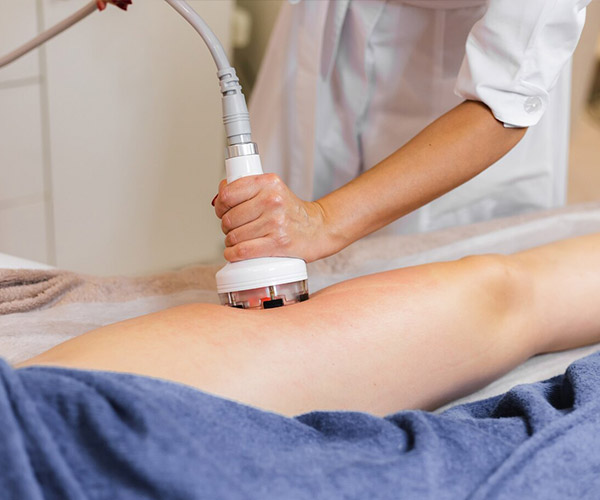
- Transducer : These waves are delivered through a handheld transducer, which is placed on the skin with a conductive gel.
- Vibrations : The sound waves cause vibrations within the tissues, creating a gentle heating effect.
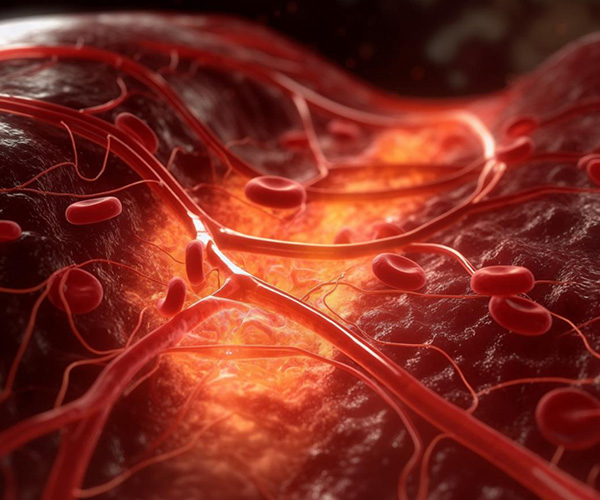
- Increased blood flow : The heating effect can dilate blood vessels, increasing blood flow to the affected area.
- Reduced inflammation : Ultrasound can help reduce inflammation by stimulating the body's natural healing processes.
- Pain relief : By reducing inflammation and increasing blood flow, ultrasound can help alleviate pain.
- Tissue healing : The vibrations can stimulate cell activity and promote collagen production, aiding in soft tissue repair.
Useful To Treat
- Soft tissue injuries: sprains, strains, tendonitis, ligament injuries.
- Post-traumatic pain: pain associated with injuries.
- Muscle spasms and pain.
- Chronic conditions: such as low back pain, Dupuytren's contracture, and capsulitis.
- Wound healing
- Pain management.
Benefits
- Non-invasive : It's a non-surgical treatment option.
- Generally painless : Most people experience only a slight warming sensation during the treatment.
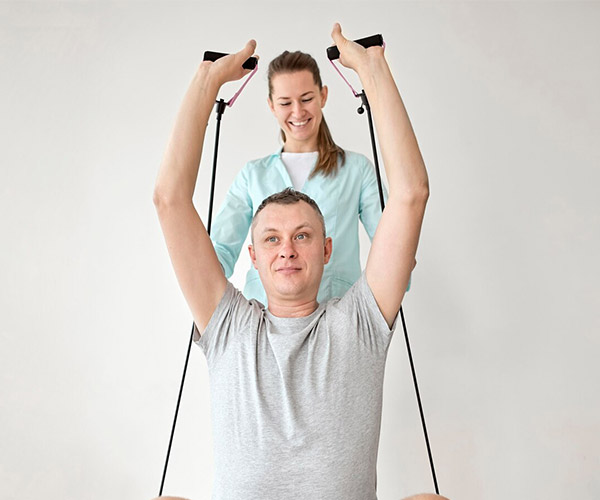
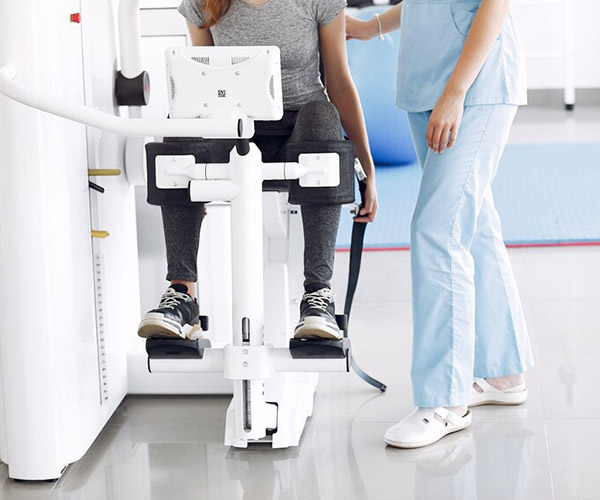
- Can be used in conjunction with other therapies : Ultrasound therapy can be combined with other treatments like massage, physical therapy, and exercise.
Potential Risks
- Skin burns : If the ultrasound head is not moved consistently, superficial burns can occur.
- Internal bleeding or scarring : While rare, mechanical ultrasound can potentially cause internal bleeding or scarring.