Strengthening Exercise Physiotherapy
Build Strength. Restore Confidence.
Strengthening exercise therapy is a targeted program of exercises designed to build muscle strength, endurance, and joint stability. Techniques like weight and resistance training, manual assistance, and even gentle electrical stimulation are used by our therapists to progressively challenge muscles so they adapt and grow stronger. The ultimate goal is to improve your functional capacity – meaning everyday tasks become easier and you move with more confidence and less pain.
At Atmiya Physiotherapy & Rehabilitation Clinic, our expert physiotherapists guide each patient through a personalized strengthening program tailored to their needs. Whether you’re recovering from surgery, managing arthritis, or aiming to improve overall fitness, our team provides the personalized care and holistic approach necessary for effective recovery. We design each program to match your goals and monitor you closely for safe progress.
For example, after surgery or a period of inactivity, performing strengthening exercises can make daily activities much easier. Athletes use similar regimens to improve performance and prevent injuries, and our therapists apply these principles for patients of all ages. No matter your situation, our expert team designs a program just for you and provides encouragement every step of the way.
How it works
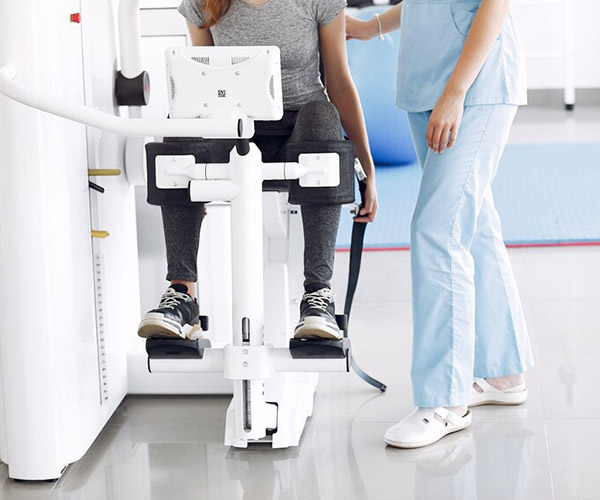
In a strengthening session, our physiotherapist first assesses your current strength and then prescribes progressive exercises. For instance, you might use weight machines, free weights, or resistance bands to push against a controlled load. This resistance training causes small muscle tears that heal back stronger, increasing muscle power and endurance. Over weeks, the therapist gradually increases the challenge (more weight, more repetitions, or less rest) so your muscles continue to adapt and grow stronger.
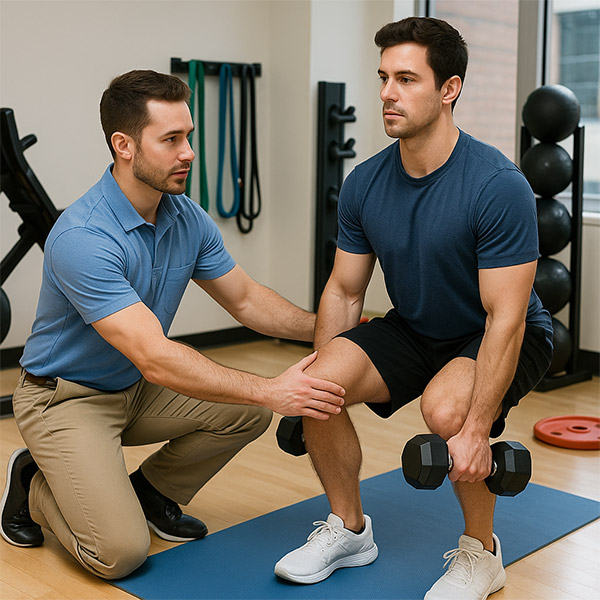
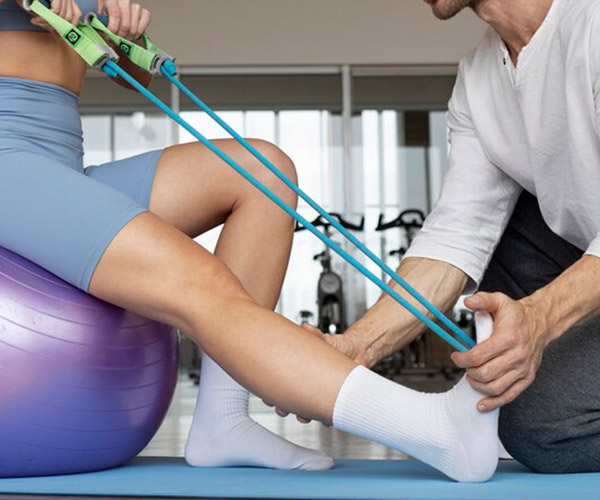
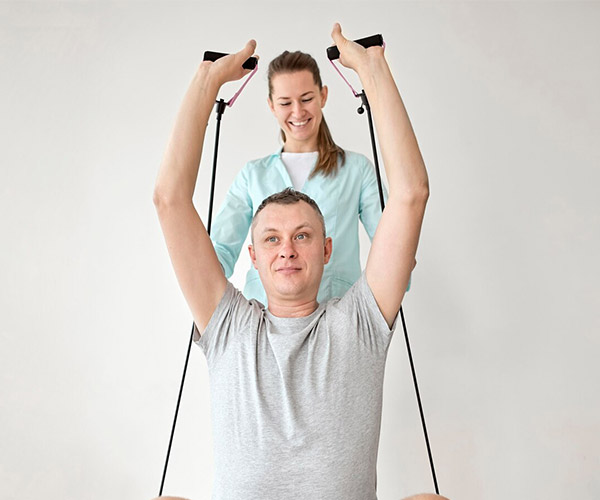
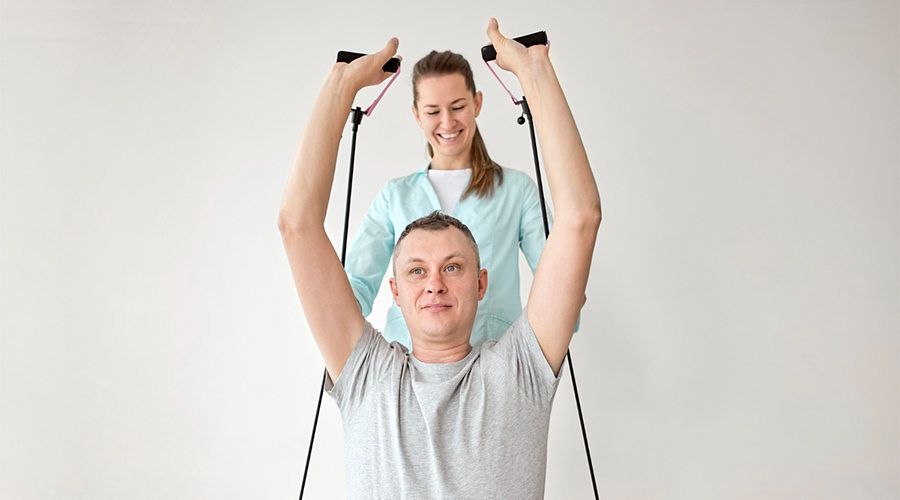
- Resistance Training: Lifting weights or using machines/bands to work muscles against resistance. Examples include leg presses, squats with weights, or band exercises targeting large muscle groups. Even light weights or elastic bands, used consistently, can rebuild strength and endurance safely
- Manual Resistance: The therapist uses their hands to provide resistance while you push or pull. For example, the therapist might press against your limb during a muscle contraction. This allows very precise control and gradual increases in resistance.
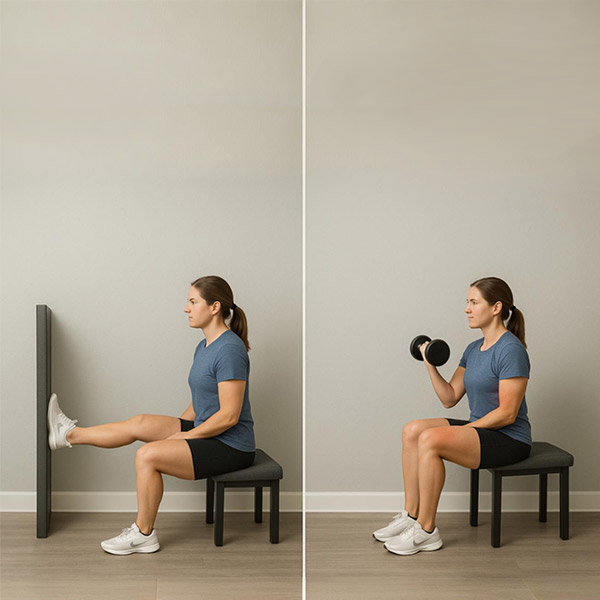
- Isometric Contractions: You contract a muscle without moving the joint. For example, pushing your foot against a fixed object or squeezing a ball between your knees. The muscle stays the same length, building strength through tension. Isometric holds are especially useful when joint movement is painful or should be limited
- Isotonic Contractions: These involve contracting and moving a joint through a full range of motion – like lifting and lowering a weight. Most resistance exercises are isotonic, where the muscle shortens and lengthens under load.
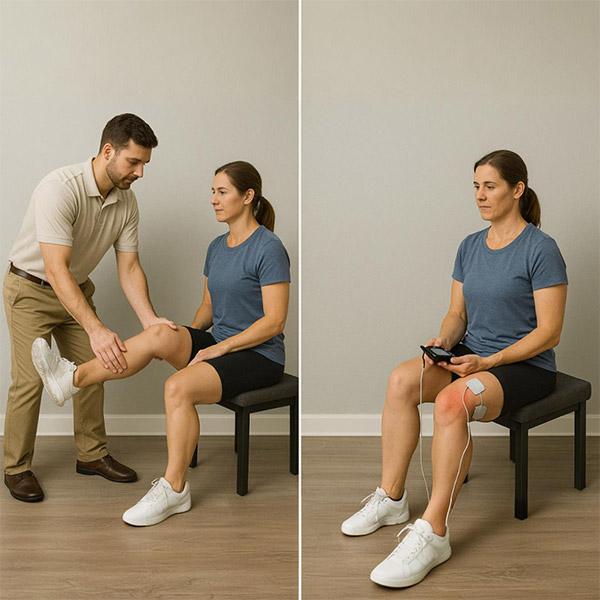
- Active-Assisted Exercises: When a muscle is very weak, the therapist or a device helps move your limb while you try to do the work. For example, the therapist might help lift your leg while you activate your hip muscles. This allows you to practice motions safely until you can do them on your own.
- Electrical Stimulation (E-stim): Small electrodes on the skin send gentle electrical pulses that make a weak muscle contract. This can be used alongside your exercises to activate muscles that are too weak to work on their own. E-stim is helpful in early rehab stages (such as after surgery) to start strengthening before you have full voluntary control.
These strengthening methods help build muscle around the injured or weak area to provide better support and stability. Each session is guided by our therapist, ensuring you feel muscular effort but no sharp pain. As you progress, you will notice you can lift heavier weights or do more repetitions with the same effort, reflecting your gains.
Useful To Treat
Strengthening exercises can help with many conditions and goals, including:
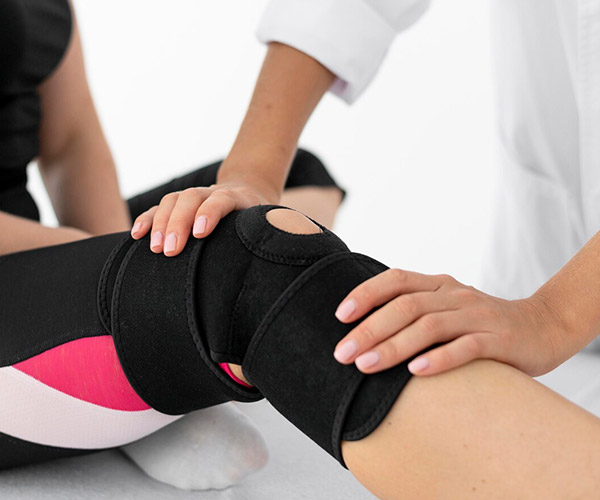
- Post-operative or injury rehab: After surgery (e.g. knee or hip replacement, fracture repair), strengthening the muscles around the healing joint speeds recovery and restores stability.
- Chronic joint conditions: Osteoarthritis, tendinitis, or chronic joint pain are often eased by stronger supporting muscles. Strengthening reduces joint stress and can reduce the signs and symptoms of arthritis or chronic back issues
- Muscle weakness/deconditioning: Periods of inactivity (e.g. bed rest, casting, illness) cause muscle loss. Strengthening exercises counteract atrophy and improve muscle function so you can perform tasks easily again
- Sports performance and injury prevention: Athletes (and weekend warriors) use specific strength programs to improve power and agility. We design exercises to improve joint control and movement, reducing the risk of re-injury.
- Balance and fall prevention: In older adults or those with balance issues, strengthening the legs and core helps prevent falls. Improved strength and stability allow for safer movement
- Daily function and quality of life: Anyone finding daily tasks (lifting groceries, climbing stairs, playing with grandchildren) tiring can benefit. Building strength makes these activities easier and helps maintain independence.
At Atmiya Physiotherapy & Rehabilitation Clinic, we tailor each strengthening program to your individual goals and needs, ensuring a personalized and effective path to recovery
Benefits
Regular strengthening offers several key benefits:
- Stronger muscles and endurance: Consistent strength training makes muscles bigger and more powerful, so you tire less during activities.
- Improved joint stability: Strong muscles around a joint hold it in better alignment, reducing wobble and protecting joints from injury.
- Better balance and mobility: As strength improves, so does coordination. Even small gains in leg or core strength can dramatically improve balance and reduce fall risk.
- Enhanced daily function: Routine tasks like climbing stairs, rising from a chair, or carrying groceries become easier because your body has more strength reserve.
- Pain relief: Stronger muscles can relieve chronic aches (for example, back or knee pain) by taking pressure off joints and improving posture. Many patients find that as their strength rises, their pain lessens.
- Bone health and metabolism: Weight-bearing strengthening exercises help maintain bone density and can reduce osteoporosis risk. They also boost metabolism, aiding weight management and overall fitness.
- Healthier aging: Strength training is linked to better overall health. It can help control chronic conditions (like diabetes or heart disease), improve mood, and enhance quality of life as you age.
- Personalized training: Each strengthening plan at Atmiya is customized by our expert physiotherapists to your specific goals, ensuring a holistic path to improved strength and wellness.
Thanks to our personalized, expert guidance, these physical gains also translate into greater confidence, independence, and overall well-being
Potential Risks
Strength training is generally safe when done properly, but some precautions include:
- Muscle soreness: It’s normal to feel some muscle ache 24–48 hours after a new or intense workout (known as delayed-onset muscle soreness). This indicates your muscles are adapting and usually resolves on its own.
- Overexertion or fatigue: Pushing too hard or not allowing adequate rest can lead to excessive tiredness or strain. Always increase intensity gradually.
- Injury risk: If exercises are done with poor form or too much weight, there is a risk of strains to muscles, tendons, or joints. Our expert physiotherapists closely monitor your technique to prevent this.
- Medical considerations: People with certain health issues (e.g. uncontrolled high blood pressure, severe osteoporosis, hernias) must modify exercises or avoid certain moves. Your therapist will tailor your program and watch you carefully to prevent complications.
In all cases, we emphasize safe progression and listening to your body. If you ever feel sharp pain during exercise, your therapist will adjust the activity immediately. By providing personalized care, our team ensures you gain the benefits of strengthening while minimizing any risks.