Manual Physiotherapy
Hands-On Healing, Holistic Relief
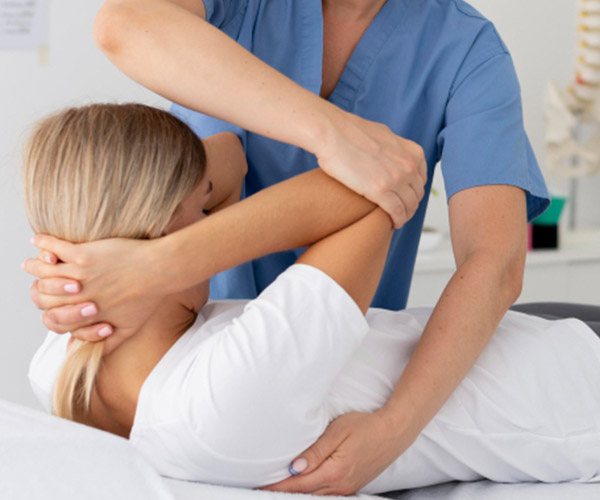
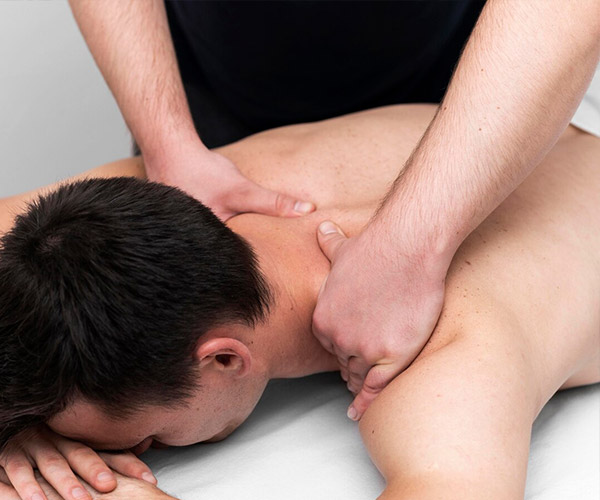
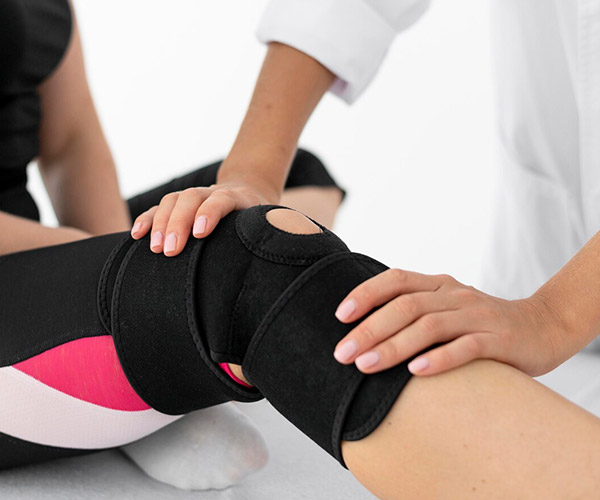
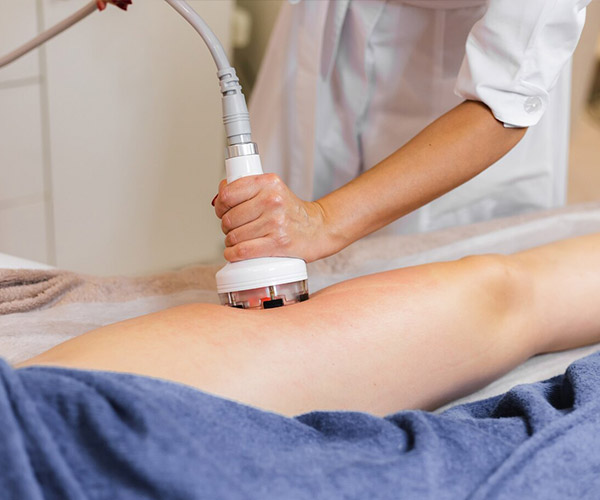
Manual therapy is a hands-on approach to physiotherapy, where skilled therapists use their hands (rather than machines) to treat the body. This method includes techniques to mobilize joints, massage muscles, and release tight connective tissue. At Atmiya Clinic, our expert physiotherapists deliver manual therapy with personalized care and a holistic focus, ensuring relief from pain and improved movement for each patient.
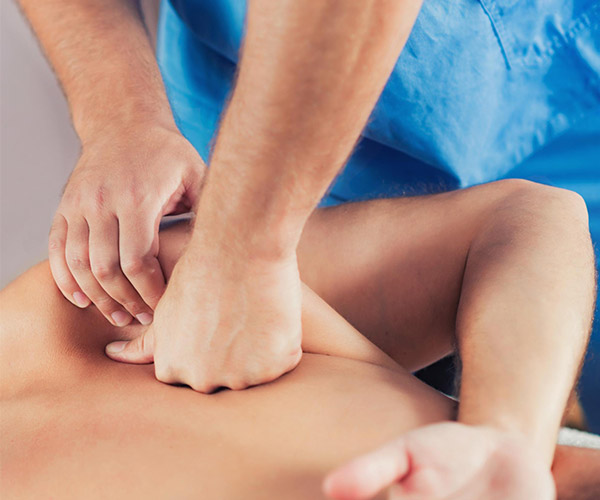
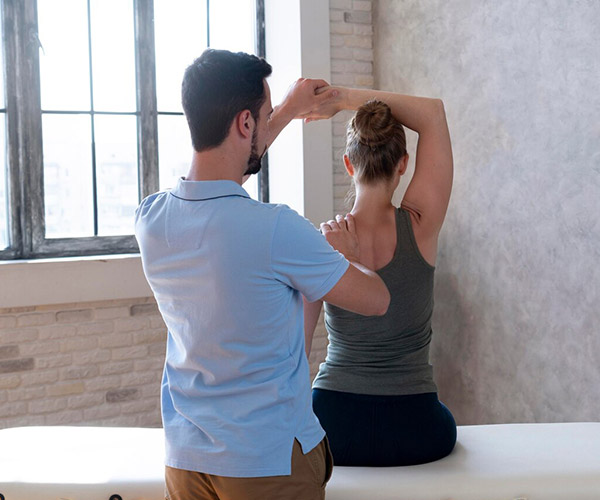
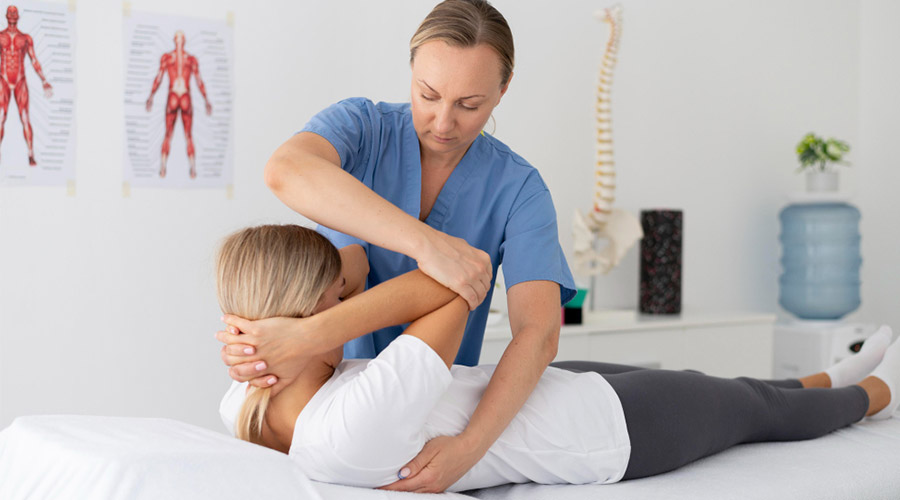
A key technique in manual therapy is Myofascial Release (MFR). With MFR, the therapist applies gentle, sustained pressure to “knots” or tight spots in the fascia (the web-like tissue around muscles). When fascia and muscle feel stiff or “stuck,” the therapist locates these areas by touch and then applies hands-on pressure and stretching to help the tissue unwind. In addition to MFR, manual therapy may include joint mobilization or manipulation (gently moving a joint beyond what you can do on your own), muscle energy techniques (using your own muscle contractions to assist a stretch), and neural mobilization (slow, gentle movements to free tight nerves). All these methods aim to reset the body’s tissues so muscles, joints, and nerves can move smoothly.
How it works
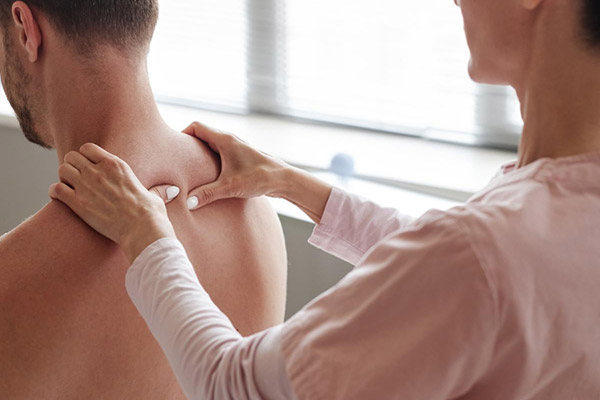
Manual therapy works by improving tissue mobility and reducing tension step by step. For example, during myofascial release, the therapist finds a trigger point (a “knot”) and holds gentle, constant pressure on it. Over time, this sustained pressure allows the tight fascia and muscle fibers to stretch out and relax (imagine smoothing out a wrinkled sheet). Joint mobilization is similar: the therapist gently moves a stiff joint through its full range of motion (often beyond what you can do yourself) to “unlock” the joint and reduce stiffness.
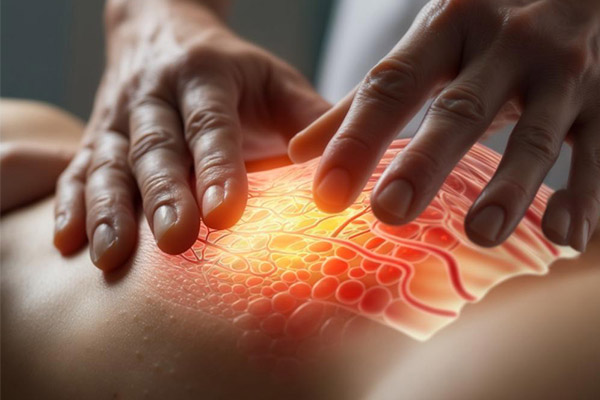
Our expert physiotherapists at Atmiya ensure each session is tailored to you. They carefully apply these techniques to increase blood flow and help the tissues “lubricate” and heal more efficiently. You might feel a deep release or slight ache as tight spots relax – this is normal and usually followed by a feeling of looseness and relief. Over time, many small improvements accumulate: a stiff joint becomes freer, and tight muscles release long-held tension.
Useful To Treat
Manual therapy can help a wide range of aches, pains, and movement problems. It’s especially useful when pain is caused by tight muscles, restricted fascia, or joint stiffness. Common conditions we treat include:
- Back or neck pain (chronic stiffness): Releases tight spine or neck muscles and improves spinal mobility.
- Fibromyalgia and widespread muscle tension: Eases overall muscle and fascial tightness that causes body-wide pain.
- Sports and overuse injuries: Addresses repetitive strain problems (e.g. runner’s knee, tennis elbow) by releasing tight spots and restoring muscle balance.
- Postural stress or muscle imbalances: Helps people with desk jobs or poor posture by releasing tension in the neck, shoulders, and hips.
- General joint stiffness: Improves flexibility in stiff joints (such as after injury or with mild arthritis) by gently moving them through their normal range.
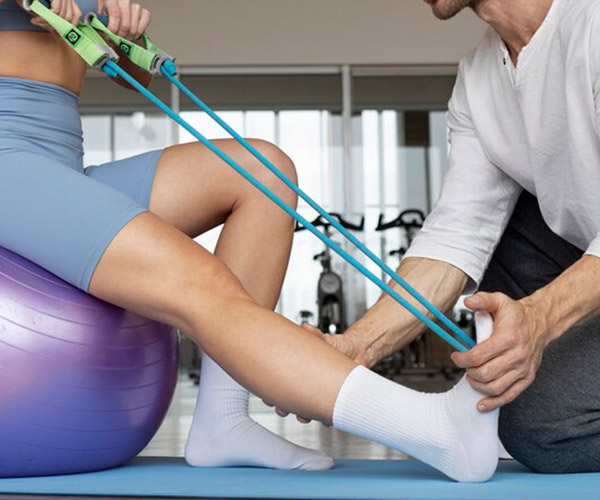
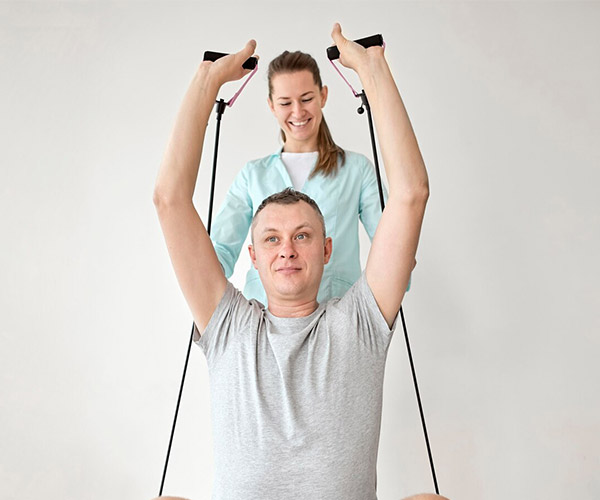
Each patient’s needs are different, but manual therapy is often recommended when targeted hands-on work can improve movement or ease pain that exercise and stretching alone haven’t fully resolved.
Benefits
Manual therapy often provides multiple benefits, such as:
- Pain relief: Loosening tight muscles and fascia can significantly reduce soreness and chronic aches.
- Increased mobility: Joints and muscles usually move more freely, increasing flexibility and range of motion
- Better circulation: The pressure and movement of manual therapy improve local blood flow and oxygen delivery, speeding the healing of injured tissues.
- Reduced stiffness: Hands-on techniques can quickly reduce joint stiffness and muscle tightness, making day-to-day activities easier.
- Relaxation and stress relief: The gentle stretching and massage aspects help trigger the body’s relaxation response, easing stress and tension.
- Enhanced function: By addressing underlying restrictions (not just symptoms), manual therapy can restore normal movement patterns and help patients return to daily activities.
- Personalized expert care: Our skilled physiotherapists tailor each session to your individual needs, reflecting Atmiya Clinic’s commitment to holistic, patient-centered healing.
Patients often notice they can bend farther, stand straighter, or simply feel more comfortable in their body after a course of manual therapy with our personalized care.
Potential Risks
Manual therapy is generally safe when performed by a qualified therapist, but a few cautions apply:
- Temporary soreness or bruising: It’s common to feel mild achiness or warmth in the treated area for a day or so. Occasionally there may be minor bruising (similar to after a deep massage).
- Nerve or tissue irritation (rare): Very rarely, sensitive nerves or tissues may feel temporarily numb or weak after treatment.
- Not for certain conditions: We avoid manual therapy over active fractures, open wounds, untreated blood clots (DVT), or severe conditions like advanced osteoporosis or rheumatoid arthritis. Always inform your therapist about any health issues, surgeries, or medications (like blood thinners) before starting.
- Individual variation: Every person’s response is different. Our therapists tailor each session to your comfort level. If a technique ever feels too intense, let us know immediately so we can adjust.
Your therapist will review your medical history and examine you first to make sure manual therapy is appropriate. In most cases, it complements other treatments (such as exercise or stretching) and adds significant benefit to your recovery.