
Deep Tissue Massage Physiotherapy
Relieve Deep Tension. Restore Inner Calm.
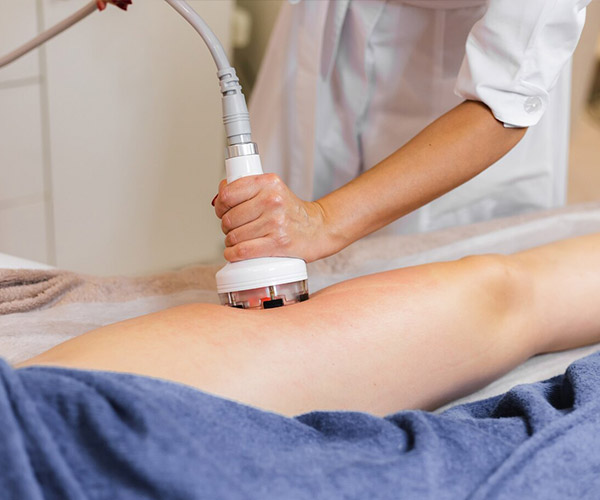
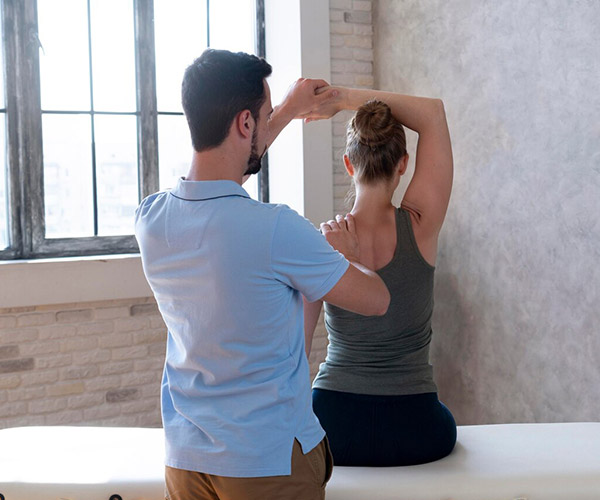
At Atmiya Physiotherapy & Rehabilitation Clinic, our deep tissue massage therapy offers a powerful way to relieve modern stresses. In today’s fast-paced life, many people carry tension in their muscles from work, poor posture, or physical strain. Deep tissue massage uses firm, focused pressure and slow strokes to target the deeper layers of muscle and connective tissue. This helps release built-up knots and stiffness, leaving you feeling more relaxed and rejuvenated. Many studies show massage reduces stress and muscle tightness while promoting overall relaxation.
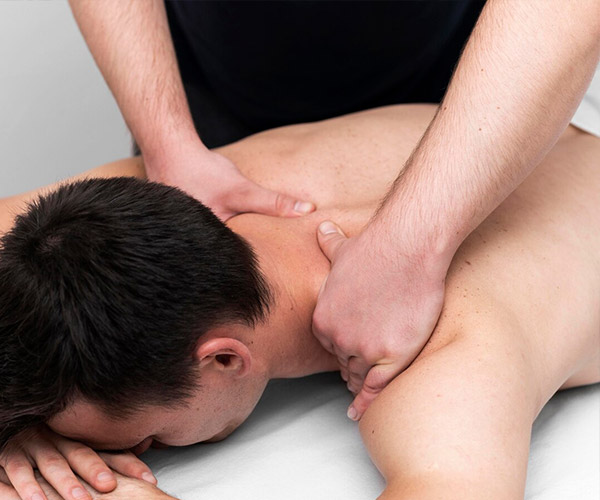
Patients often describe deep tissue massage as both calming and invigorating. A typical session at Atmiya Physiotherapy & Rehabilitation Clinic involves lying comfortably while our therapist uses gliding strokes and targeted pressure to work on problem areas. The therapist adjusts the depth and speed to your comfort level. This integrative therapy supports physical well-being and also improves mental outlook. In fact, massage is often recommended to help people cope with pain and stress from conditions like fibromyalgia and chronic pain.
How it works

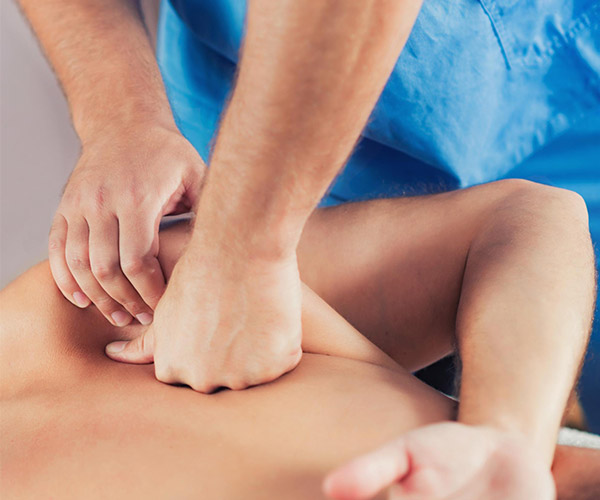
Deep tissue massage works on both the body and mind. Physically, the therapist applies sustained, firm pressure with their hands, forearms, or elbows to reach inner muscle layers. These deep, slow strokes help break up adhesions (bands of rigid tissue) and improve blood flow to the area. In other words, the massage kneads tight muscles and encourages circulation, bringing oxygen and nutrients to tired muscles and flushing out waste products. This increased blood flow can speed healing and reduce inflammation.
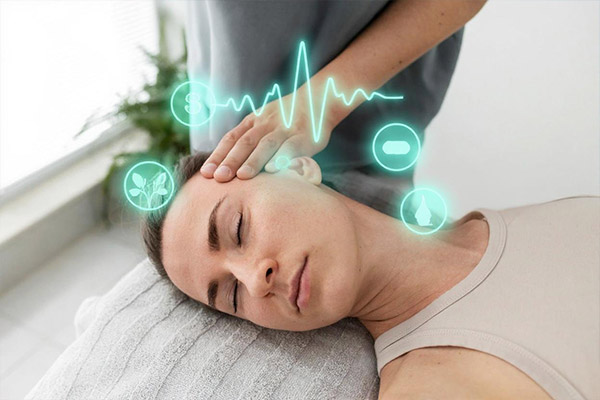
Mentally, the steady pressure and rhythm of the massage help trigger your body’s relaxation response. Deep tissue massage has been shown to lower stress hormones and boost “feel-good” chemicals in the brain. Many people feel a deep sense of calmness and reduced anxiety after a session. The quiet, focused environment during treatment also encourages mindfulness: by disconnecting from daily worries, you release mental tension along with muscle tension. In this way, our therapists use deep massage as an integrative therapy for both physical relief and mental relaxation.
Useful To Treat
Deep Tissue Massage Physiotherapy is often used for a wide range of common ailments and physical complaints, including:
- Chronic stress and anxiety: Helps relieve the physical muscle tension associated with stress
- Persistent muscle tension or knots: Especially in areas like the neck, shoulders, and back.
- Back and neck pain: For example, chronic low-back pain and sciatica often respond well to deep massage.
- Overuse injuries and sports strains: Such as sprains, muscle tears, and tendonitis from athletic or repetitive activities.
- Fibromyalgia or arthritis-related muscle pain: Provides relief for generalized deep muscle soreness.
- Circulatory issues or high blood pressure: Massage can improve blood flow and has been shown to help reduce heart rate and blood pressure in some cases.
These conditions benefit because deep massage releases tight muscles and improves mobility, supporting faster pain relief and functional recovery.
Benefits
Deep tissue massage offers many holistic benefits, including:
- Reduced muscle tension and pain: It kneads out deep knots in muscle tissue, easing chronic aches and stiff areas.
- Stress reduction and relaxation: By lowering cortisol and boosting serotonin, it creates a sense of calm and emotional balance.
- Improved circulation: Enhanced blood flow delivers oxygen and nutrients to tissues and aids recovery.
- Mental calm and mood uplift: Many clients report feeling mentally refreshed and less anxious after a session.
- Better sleep quality: By easing pain and stress, deep massage often leads to more restful, uninterrupted sleep.
- Personalized well-being: Each massage at Atmiya Physiotherapy & Rehabilitation Clinic is customized by our therapists to your needs, reflecting our ethos of personalized care, expert guidance, and holistic healing.
Each of these benefits is supported by research on therapeutic massage. Overall, deep tissue massage at Atmiya Physiotherapy & Rehabilitation Clinic provides both physical relief (less tension, better flexibility) and mental wellness (improved mood, stress relief) as part of our integrative approach to health.
Potential Risks
Deep tissue massage is generally safe, but there are a few precautions to keep in mind:
- Soreness or tenderness: You may feel mild muscle ache for a day or two after a deep massage. This usually resolves on its own (drinking water and light stretching can help relieve it).
- Bruising: Because firm pressure is used, very sensitive people might experience minor bruising or soreness in certain areas.
- Not suitable for certain conditions: People with bleeding or clotting disorders, or those taking blood thinners, should consult a doctor first. Similarly, if you have severe osteoporosis or a bone condition, deep pressure could risk injury.
- Recent injuries or surgery: Avoid deep tissue massage over a fresh injury (sprain, strain) or surgical wound until it has healed. Open wounds or skin infections should be fully healed before massage.
- Pregnancy and other concerns: Deep tissue work (firm pressure) is usually not recommended during pregnancy – gentler massage styles are advised instead. Anyone undergoing chemotherapy or with a weakened immune system should get medical approval beforehand.
In summary, deep tissue massage is effective for many people, but it’s important to communicate with your therapist and disclose any health issues. Our team at Atmiya Physiotherapy & Rehabilitation Clinic always reviews your health history before treatment and adjusts pressure as needed. This personalized approach ensures that your massage experience is both comfortable and safe, fitting our overall goal of providing expert, holistic healing.