Stroke Rehabilitation Physiotherapy
Rebuilding Strength, Restoring Independence
Stroke rehabilitation physiotherapy is a specialized program designed to help patients regain strength, movement, and confidence after a stroke. It focuses on improving muscle power and overcoming the mobility challenges caused by the stroke. The ultimate goal is to restore independence through targeted, supportive exercises that gradually rebuild function. At Atmiya Physiotherapy & Rehabilitation Clinic, our expert physiotherapists partner with you every step of the way. We create a personalized care plan with a holistic approach to improve your balance, coordination, and overall quality of life. Gentle stretching, strength exercises, and functional movement practice are all part of therapy to help you return to daily activities.
How it works
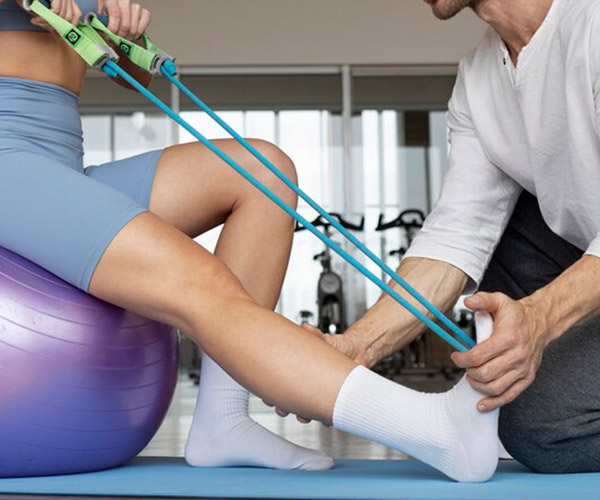
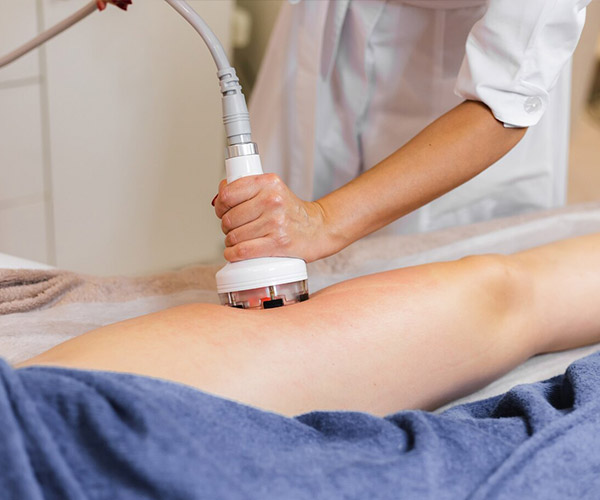
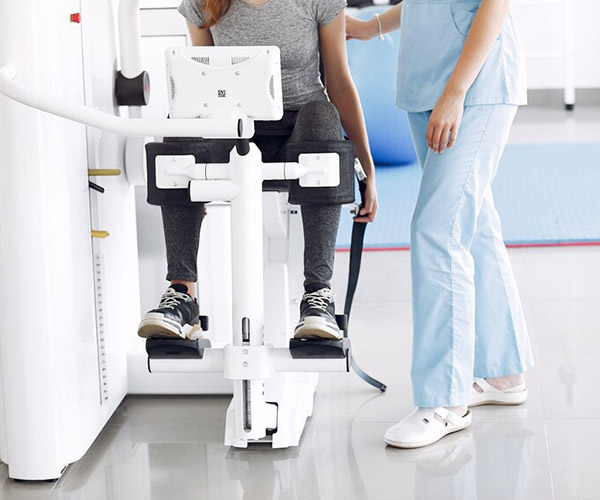
Rehabilitation begins with a comprehensive assessment. Our therapist evaluates your strength, balance, coordination, range of motion, and functional abilities. We discuss your daily challenges and goals (for example, walking without support or using the affected arm) and then set realistic milestones. Based on this assessment, we design a personalized treatment plan. This plan may include stretching routines to improve flexibility, strength training for weak limbs, balance exercises, gait training, and practice of daily tasks. We may also use tools like walkers, balance boards, or mirrors, and incorporate additional therapies (like hydrotherapy or electrical stimulation) if needed.
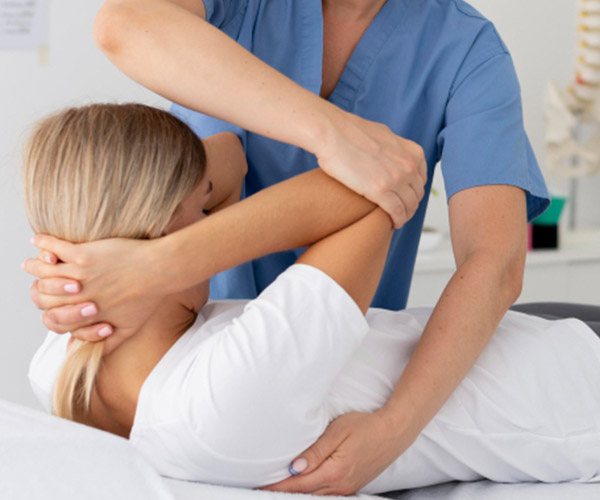
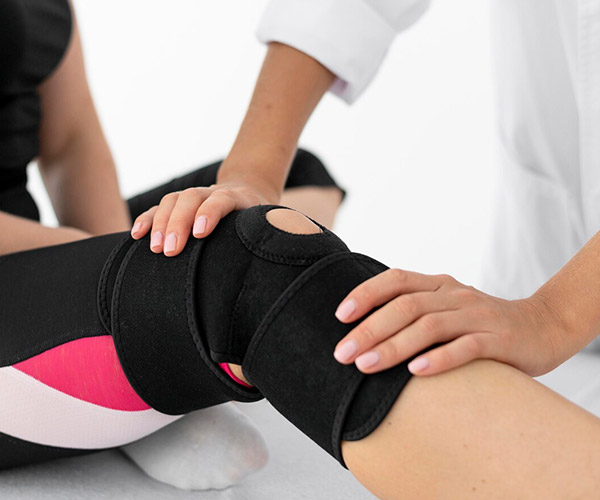
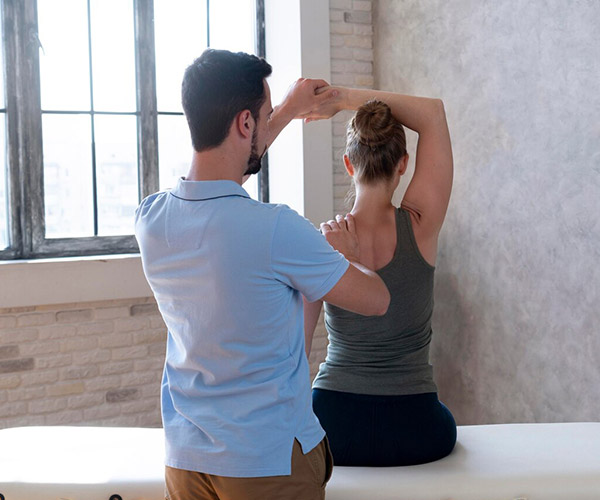
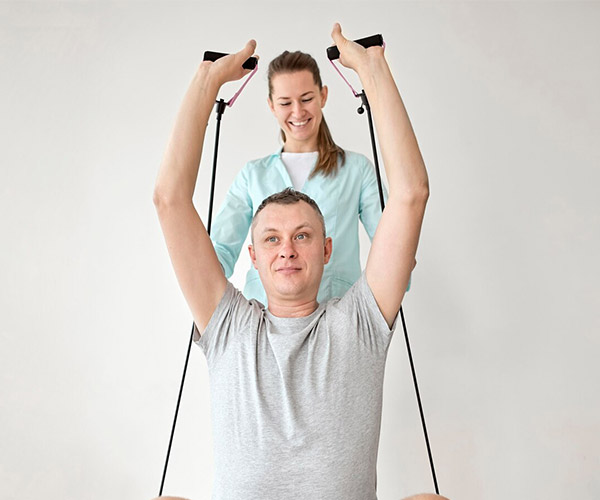
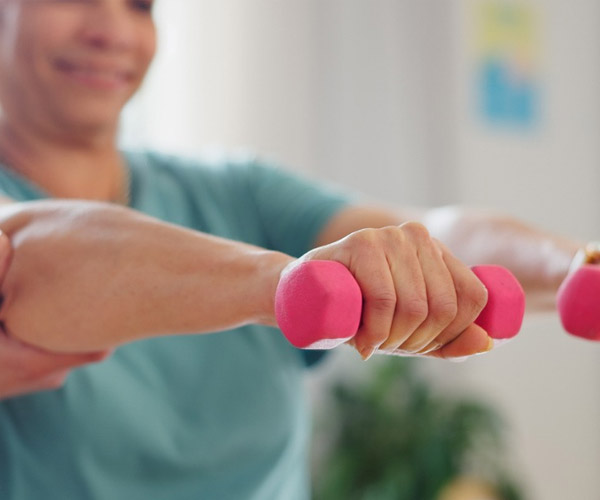
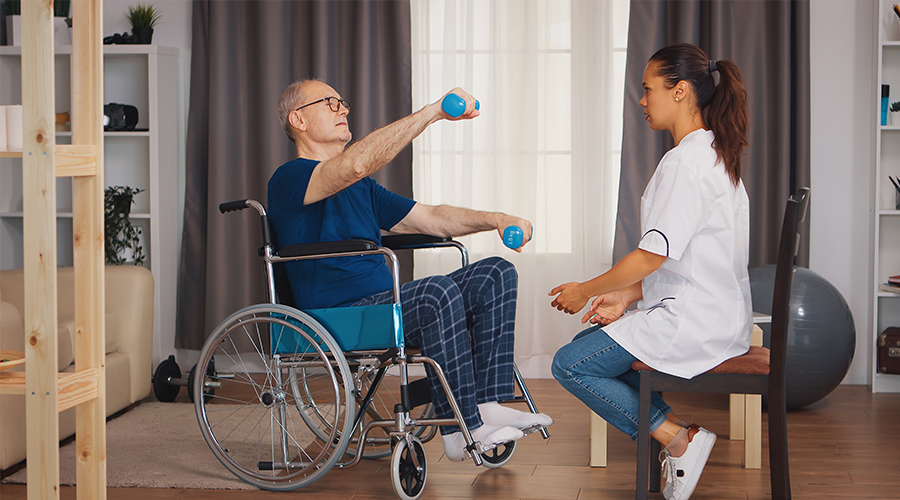
Therapy is delivered in guided, one-on-one sessions. Your expert physiotherapist demonstrates each movement and assists you as you practice, ensuring correct form and safety. For example, we may work on core stability exercises for posture, arm and leg exercises for strength, and walking drills to improve gait. At Atmiya Physiotherapy & Rehabilitation Clinic, we walk beside you every step of the way – through guided stretches, targeted strengthening, and consistent support, we’ll help you not just return to your daily routine, but to the life you love, with confidence and ease.
Progress is regularly monitored. We track your improvements and adjust the plan to keep you challenged but safe. As you improve, therapy may gradually become more advanced. We also educate and involve your family or caregivers – teaching safe ways to assist you and exercises you can do at home. Recovery is a team effort, and family support is key to success.
Useful To Treat
Stroke rehabilitation therapy can help with many common physical issues after a stroke, including:
- Muscle weakness or paralysis: Especially on one side of the body (hemiplegia), common after a stroke.
- Balance and coordination problems: Improving postural control to reduce the risk of falls.
- Mobility and walking difficulties: Training to help with walking safely, standing up, and moving from sitting to standing.
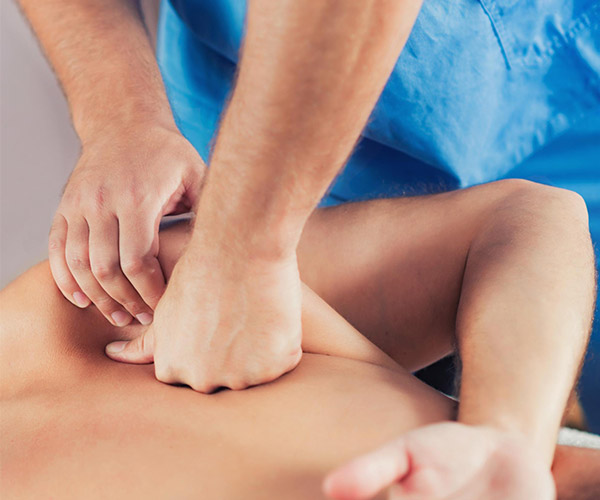
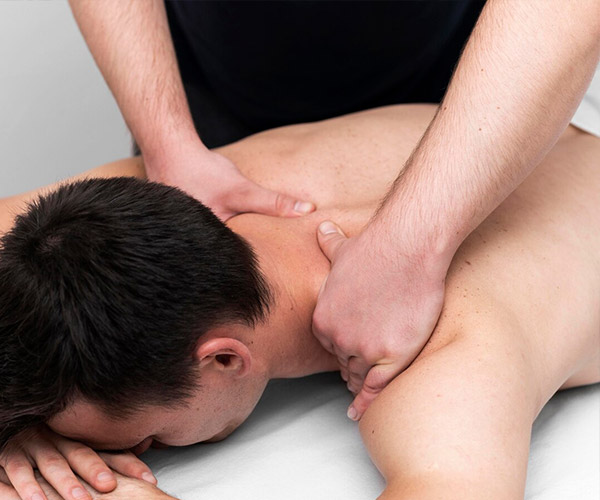
- Spasticity and stiffness: Stretching and exercise to ease tight muscles and involuntary contractions.
- Sensory loss or limb awareness issues: Exercises improve body awareness and reduce the impact of numbness.
- Daily task limitations: Practicing activities (like reaching, grasping, sitting, or transferring) to restore independence in daily routines.
At Atmiya Physiotherapy & Rehabilitation Clinic, our personalized, holistic approach addresses the full spectrum of challenges stroke patients face, helping to rebuild function and confidence.
Benefits
Our stroke rehabilitation program at Atmiya Physiotherapy & Rehabilitation Clinic offers many advantages:
- Regain strength and movement: Rebuilding muscle power and coordination makes everyday activities (walking, lifting, dressing) easier.
- Reduce stiffness and spasticity: Guided stretches and exercises relax tight muscles, making movement more comfortable
- Improve balance and mobility: Targeted balance training and walking practice help you move more steadily and reduce fall risk.
- Increase independence and confidence: As you regain abilities, you can perform more tasks on your own. Patients often feel more empowered and motivated.
- Enhance quality of life: Better mobility and the ability to engage in hobbies or social activities lead to higher overall well-being.
- Prevent complications: Regular therapy helps prevent joint contractures (frozen joints), pressure sores from immobility, and can improve circulation. It also helps reduce the risk of future strokes or health problems by encouraging activity and healthy movement.
At Atmiya Physiotherapy & Rehabilitation Clinic, our team celebrates each milestone with you, knowing that every forward step in therapy – guided by our expert physiotherapists’ personalized care – is a victory toward living your best life again.
Potential Risks
Physical therapy after stroke is generally safe, but we always practice caution. Possible issues include:
- Muscle soreness or fatigue: It’s normal to feel some muscle tiredness or ache after new exercises. This usually subsides quickly and is a sign that your muscles are working.
- Minor strains or sprains (rare): Trying new movements could occasionally lead to a small muscle pull or joint strain. Our therapists closely monitor your form and intensity to prevent injury.
- Emotional frustration: Recovery can be gradual. Patients may feel discouraged if progress seems slow. We provide encouragement, adapt the program as needed, and celebrate each success to keep your motivation high.
- Overexertion (rare): In very few cases, intensive exercise could temporarily raise blood pressure or cause dizziness. We adjust exercise intensity and monitor vital signs to keep you safe.
- Unmet expectations: Some stroke effects may not be fully reversible. We set realistic goals and focus on maximizing your abilities so that you feel encouraged by every achievement.
At Atmiya Physiotherapy & Rehabilitation Clinic, your safety and comfort are our top priorities. We tailor each session to your current health and carefully increase activity levels. Our team always listens to your feedback and takes things at a pace that feels right for you. By providing personalized care and expert guidance, we aim to keep any risks small and your recovery effective.