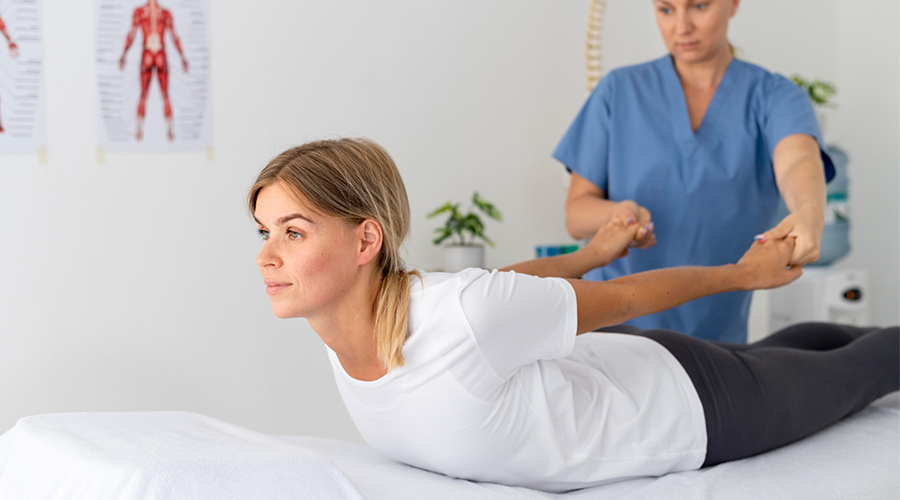
Stretching Physiotherapy
Stretch to Heal. Stretch to Thrive.
Stretching therapy (often called flexibility therapy) uses targeted stretches to gently lengthen muscles and tendons, improving overall flexibility and joint mobility. At Atmiya Physiotherapy & Rehabilitation Clinic, our expert physiotherapists deliver personalized stretching programs as part of a holistic wellness approach. Stretches come in two main styles: static stretching involves holding a muscle in a fixed position (typically for about 20–30 seconds) to gradually increase its length, while dynamic stretching involves controlled movements that take muscles through their full range of motion.
How it works
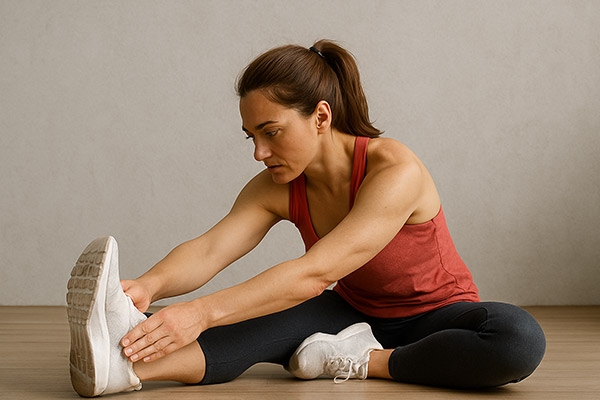
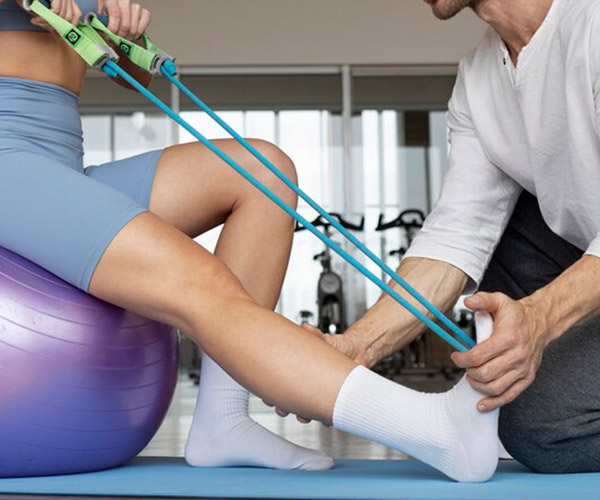
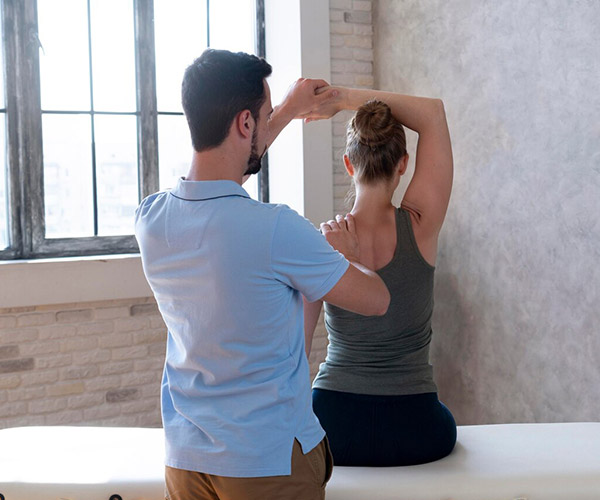
Static Stretching Sessions: Under the therapist’s guidance, you move gently into a stretch position and then hold it while the therapist supports the stretch. For instance, the therapist might help raise your leg into a hamstring stretch or extend your arm toward your shoulder, then assist in keeping the limb steady. Each static stretch is held (often around 15–30 seconds) so the muscle can relax and lengthen safely. This approach slowly increases flexibility in a controlled way
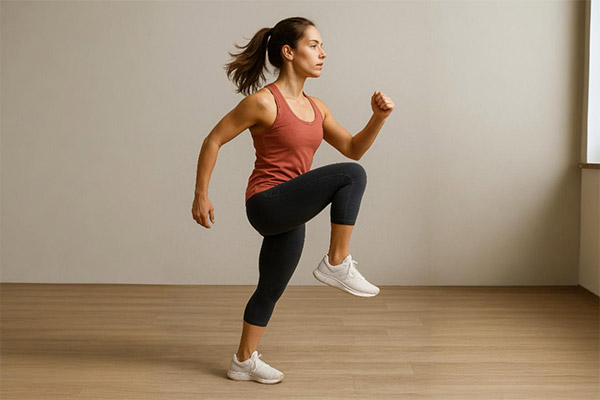
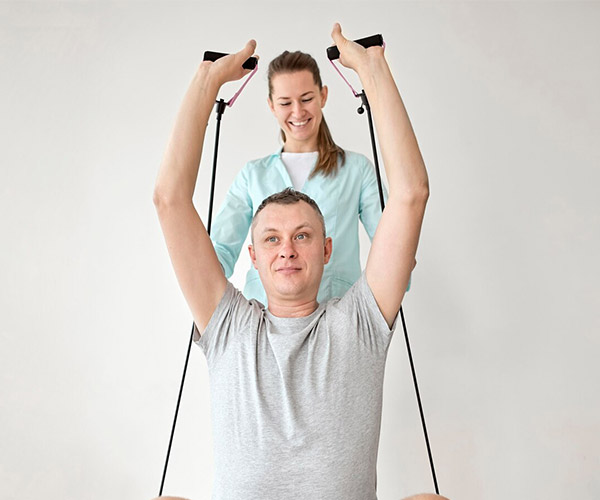
Dynamic Stretching Sessions: In this method, the therapist demonstrates and instructs you through a series of smooth, active movements. You perform controlled motions—such as gentle leg swings, walking lunges, or arm circles—with correct form. These dynamic stretches warm up the muscles and gradually improve range of motion.
Stretching sessions at Atmiya Physiotherapy & Rehabilitation Clinic are typically one-on-one, allowing our expert therapists to provide hands-on guidance and real-time feedback. They adjust each stretch to your ability, monitor your comfort, and help maintain correct form throughout. This personalized attention ensures that each exercise is safe and effective.
Useful To Treat
Stretching therapy is especially helpful for people experiencing:
- Muscle stiffness or tightness: Reduces tension in muscles that feel tight, such as in the back, neck, shoulders, or hamstrings
- Limited joint flexibility: Improves range of motion in tight joints (for example, the hips or knees).
- Aches from poor posture: Alleviates neck/back pain caused by postural issues (like rounded shoulders or forward head posture).
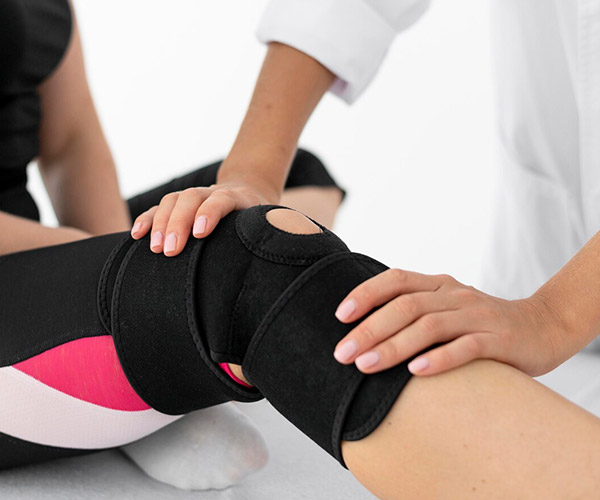
- Rehabilitation needs: Gently restores movement after muscle injuries or surgery
- Sports and activity warm-up: Prepares muscles before exercise or sports, helping prevent injury.
- Age-related mobility issues: Addresses gradual loss of flexibility and mobility that can come with aging.
Our personalized approach at Atmiya Physiotherapy & Rehabilitation Clinic means we tailor each stretching routine to your needs, ensuring safe and lasting improvements.
Benefits
Regular stretching provides many benefits:
- Improved flexibility and joint mobility: Lengthened muscles allow joints to move more freely. This makes everyday tasks (bending, reaching, turning) easier and more comfortable.
- Better posture and alignment: By stretching tight muscle groups, we help balance muscle tension and improve body alignment. Over time, this can reduce back and neck strain caused by poor posture.
- Relief from muscle tension: Gentle stretching relieves tightness and stiffness in the muscles. Relaxed muscles are less likely to ache or feel sore.
- Enhanced circulation and recovery: Stretching increases blood flow into the muscles, delivering oxygen and nutrients that speed up recovery. This can reduce post-exercise soreness and help muscles heal
- Enhanced performance: Dynamic stretches in particular prepare muscles for activity, which can improve strength and speed in sports or workouts. Even daily activities (walking, lifting, reaching) can feel easier with more flexible muscles.
- Lower risk of strains and injuries: By increasing muscle length and joint range of motion, stretching makes muscles less likely to tear or strain during sudden movements. It also helps joints move safely through their full range.
- Stress relief and relaxation: Stretching encourages gentle breathing and relaxation. It can calm the mind and body, reducing mental tension as well as physical tightness
- Personalized care: Each stretching program at Atmiya is customized by our expert physiotherapists to meet your specific needs, reflecting our holistic, patient-centered approach.
With personalized guidance, stretching therapy at Atmiya Physiotherapy & Rehabilitation Clinic helps you gain greater comfort, flexibility, and overall well-being
Potential Risks
Stretching therapy is very safe when conducted by a trained physiotherapist. Still, a few mild issues can occur:
- Muscle soreness or fatigue: It’s common to feel slight soreness or muscle tiredness after stretching, especially if you’re new to it. This usually subsides quickly as the muscles adapt.
- Minor strain: If a stretch is pushed too far or held incorrectly, a muscle could become mildly over-stretched or strained. Our therapists always monitor intensity and form to prevent this, and encourage you to stop if you feel any sharp pain
- Temporary dizziness: In rare cases, quick movements or holding a stretch for too long can cause lightheadedness. We instruct patients to breathe steadily and rest between stretches to avoid this
- Joint discomfort: Stretching should not cause pain in the joints themselves. If any joint feels painful, our therapists will modify the exercise accordingly.
Overall, serious risks are very low. Our team prioritizes a calm, guided approach so you gain the benefits of flexibility therapy without discomfort. Under our expert care, you can feel confident that stretching therapy is a safe, effective way to improve your mobility.