Pre and Post Surgery Rehabilitation Physiotherapy
Prepare Strong. Recover Stronger.
Pre and Post Surgery Rehabilitation Physiotherapy helps patients prepare their body for an operation and then recover afterwards. Before surgery, our expert physiotherapists guide you through exercises and breathing techniques to build strength, improve joint mobility, and manage pain. This proactive preparation can speed up healing and lead to a smoother recovery after the procedure. Once surgery is complete, post-operative physiotherapy begins: the therapist will guide you through gradual movements, stretching, and strengthening exercises to safely restore function and reduce stiffness.
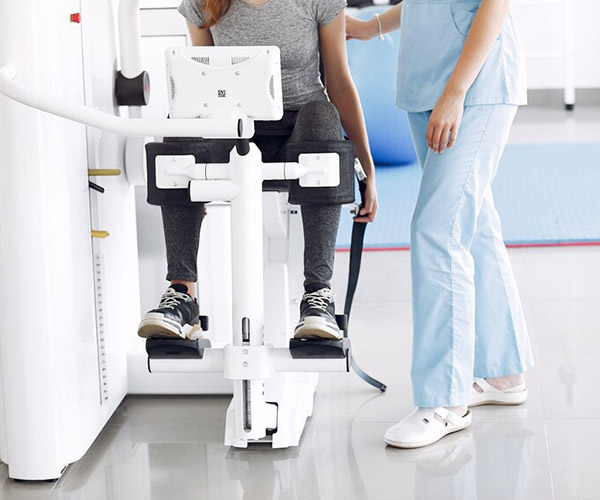
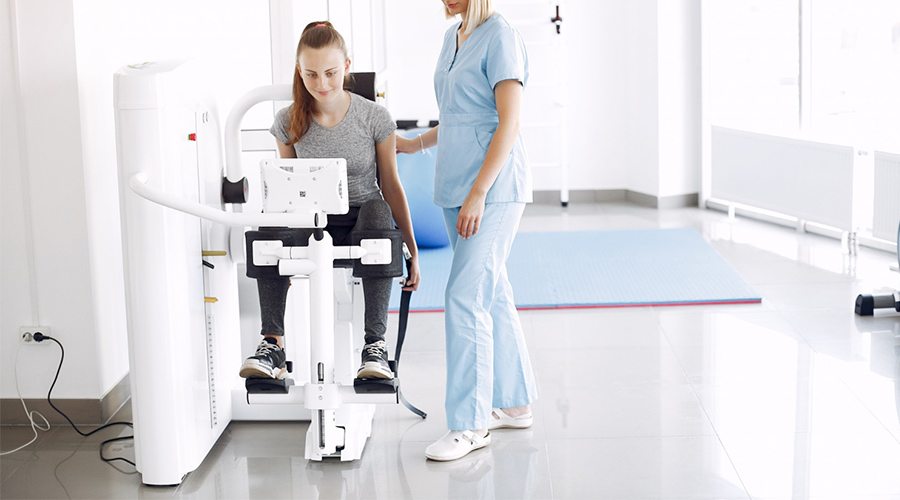
After the first few days post-op, therapy sessions focus on regaining normal movement and independence. Your physiotherapist designs a personalized rehabilitation program. Early stages may include gentle mobility or breathing exercises (often using ice, heat, or other modalities to reduce swelling), while later stages introduce more active rehabilitation – strengthening exercises, balance training, and walking practice. Each plan is closely monitored and adjusted to minimize pain and complications, helping you return to daily activities as safely and quickly as possible.
How it works
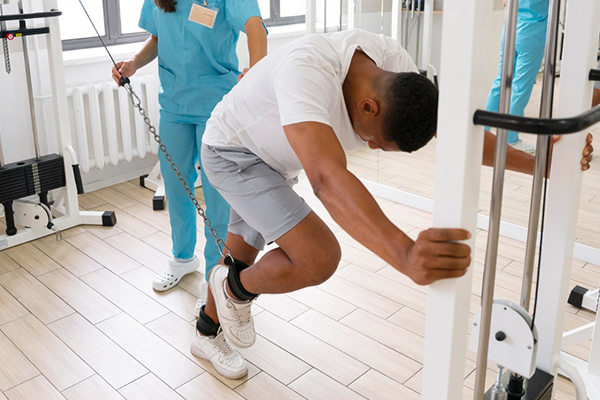
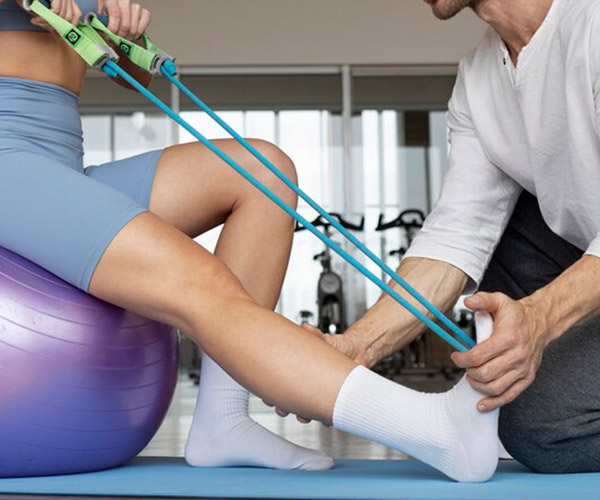
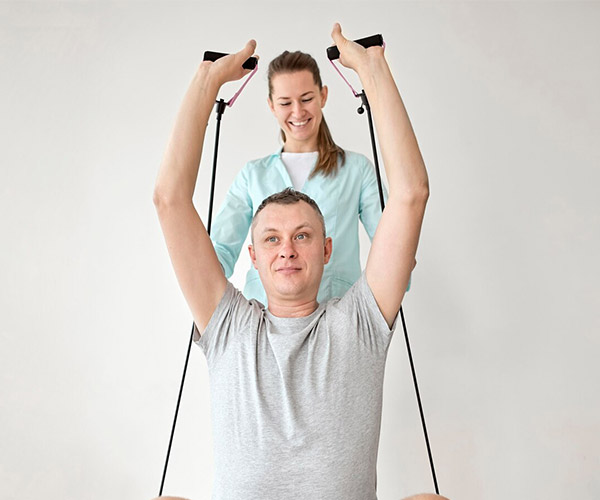
Before surgery, your expert physiotherapist will assess your condition and set goals to reduce pain and improve strength. You will learn exercises to strengthen the muscles around the surgical area and improve endurance. For example, simple resistance or weight-bearing exercises (using light dumbbells) build muscle strength and circulation. Balance and flexibility exercises are also taught to improve posture and joint mobility. These pre-operative workouts help your body withstand surgery better and often lead to a faster recovery.
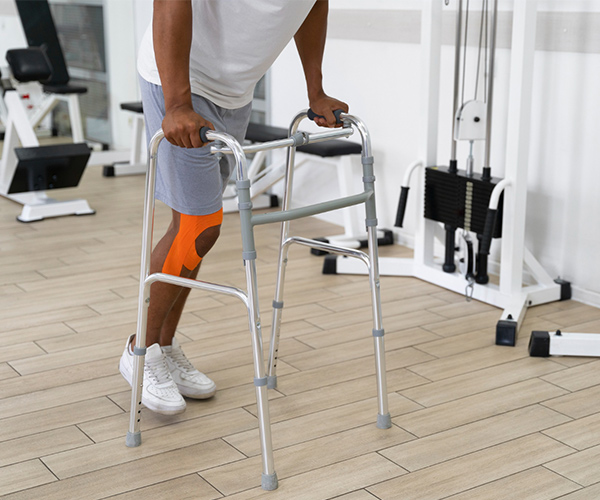
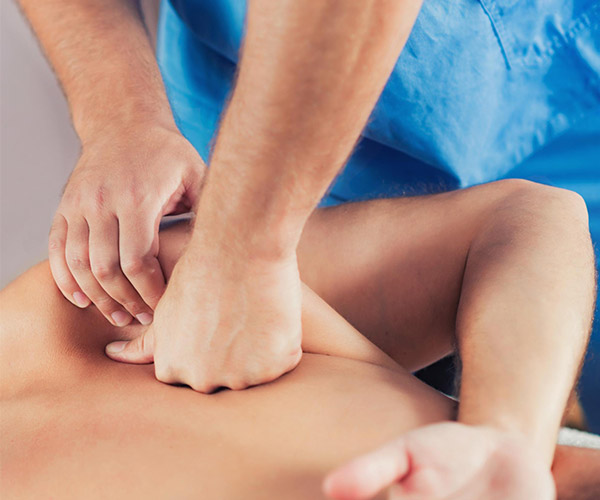
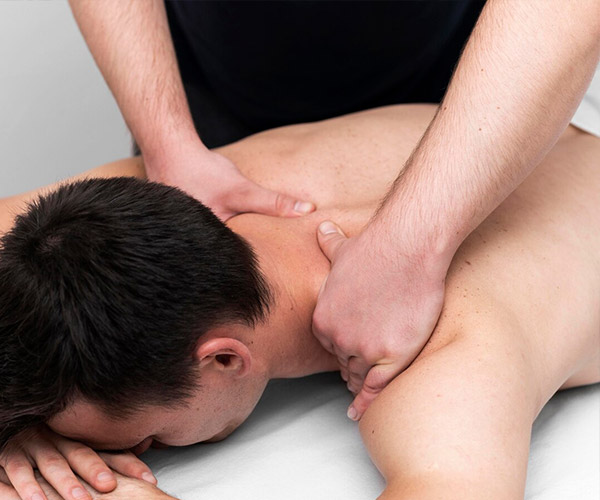
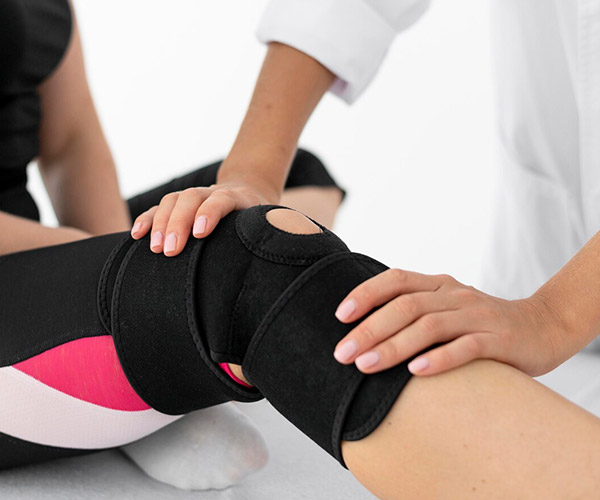
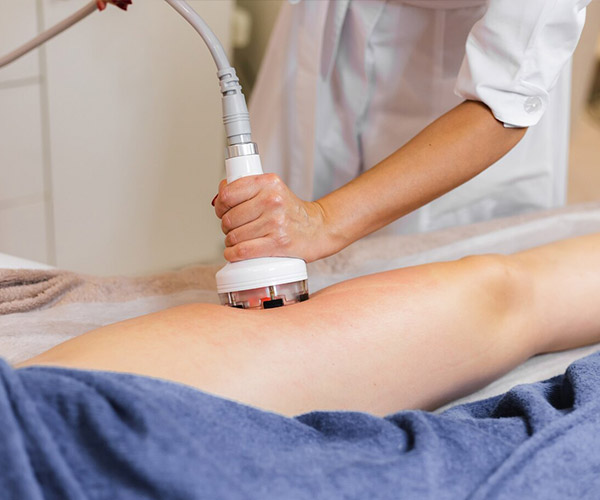
After surgery, rehabilitation usually begins within days under the guidance of a therapist. The first stage focuses on gentle movement and pain control: for instance, the therapist might mobilize your joints or provide a gentle massage to reduce stiffness and swelling. Rehabilitation is typically phased. Initially, the operated area may be immobilized while pain and swelling subside. Then a gradually more challenging series of exercises is introduced to restore range of motion, strength, and balance. Hands-on techniques (such as massage or joint mobilizations) are used alongside active exercises and walking practice. Over weeks and months, this progression helps you safely return to normal activities and prevents loss of function.
Throughout the process, our therapists adjust your program to your progress, reflecting our personalized, patient-centered approach. We focus on your comfort and confidence every step of the way, ensuring you heal effectively and safely.
Useful To Treat
Pre and Post Surgery Physiotherapy is useful for rehabilitation from many types of orthopedic surgeries, including:
- Total hip replacement surgery
- Total knee replacement surgery
- Shoulder surgeries (e.g. rotator cuff repair or shoulder arthroplasty)
- ACL reconstruction and meniscus tear repair in the knee
- Spinal surgeries (e.g. lumbar fusion or discectomy)
- Ankle or foot surgeries (e.g. fracture fixation, reconstructive procedures)
- Other orthopedic surgeries (wrist, hand, neck, etc.)
No matter the surgery, our tailored rehabilitation programs help you regain function and return to daily life.
Benefits
Guided pre- and post-surgery rehabilitation offers several key benefits:
- Accelerated recovery: Patients often heal faster when they strengthen their body in advance and engage in guided rehab afterward. This can shorten hospital stays and speed return to daily life.
- Greater strength and flexibility: Rehab exercises rebuild muscle strength and improve joint range of motion, enabling you to move more easily.
- Less pain and swelling: Early mobility and hands-on therapy help control post-operative pain, reduce inflammation, and limit scar tissue formation.
- Lower complication risk: By improving circulation and overall fitness, physiotherapy can reduce risks like blood clots or infections after surgery.
- Improved confidence and well-being: Knowing how to protect the surgical site and seeing steady progress often boosts patients’ confidence and reduces anxiety about surgery.
Each of these benefits is achieved through the guidance of our expert physiotherapists, who deliver personalized care and a holistic approach throughout your recovery journey.
Potential Risks
Physiotherapy after surgery is generally very safe, and any minor risks are far outweighed by the benefits. Possible issues include:
- Mild muscle soreness or fatigue: It’s common to feel some soreness for a day or two after therapy sessions; this usually resolves quickly.
- Temporary increase in stiffness: Healing tissues may feel briefly stiffer as they are challenged by therapy.
- Very low risk of minor strain or injury: If exercises are performed too aggressively, there is a small chance of strain. (Physiotherapists carefully tailor exercises and watch your form to prevent this.)
- Minor bruising or swelling: You might notice slight bruising or swelling from manual therapy, which typically fades quickly.
- Slight risk of falling or imbalance: During mobility exercises, there is a small chance of losing balance. Therapists use supports and close supervision to minimize this risk.
Our therapists work at your pace to keep you comfortable and confident throughout the process. By emphasizing personalized care and careful progression, Atmiya Physiotherapy & Rehabilitation Clinic’s team ensures that these minor risks remain very low while maximizing your recovery.